
Search Articles!
Latest Articles
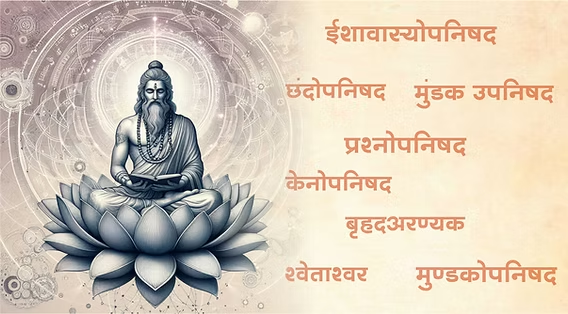
Unveiling the Reality of Upanishads: A Critical Examination
Introduction: Demystifying the Upanishads The Upanishads have been lauded by many as profound sources of knowledge and wisdom, attracting attention from psychologists, scientists, and philosophers worldwide. However, a closer look reveals a different picture. This article delves into the reality of the Upanishads, exploring controversial passages and questioning their…
Lingam Origins: Myth vs. Evidence of True Origins
The Lingam Myth: Uncovering the True Origins of an Ancient Symbol A common narrative claims the Lingam is an ancient, indigenous symbol of Lord Shiva. But what does the evidence actually say about the origins of the Lingam? This article critically examines the widespread misconceptions and presents an evidence-based…

Is Whale Song a Language as Complex as Our Own?
In 1955, amidst the geopolitical tensions of the Cold War, the United States Navy initiated a classified program. The objective was to strategically deploy underwater microphones across the ocean floor to monitor and track the movements of enemy submarines. Did they discover Whale Song? How did they find out…
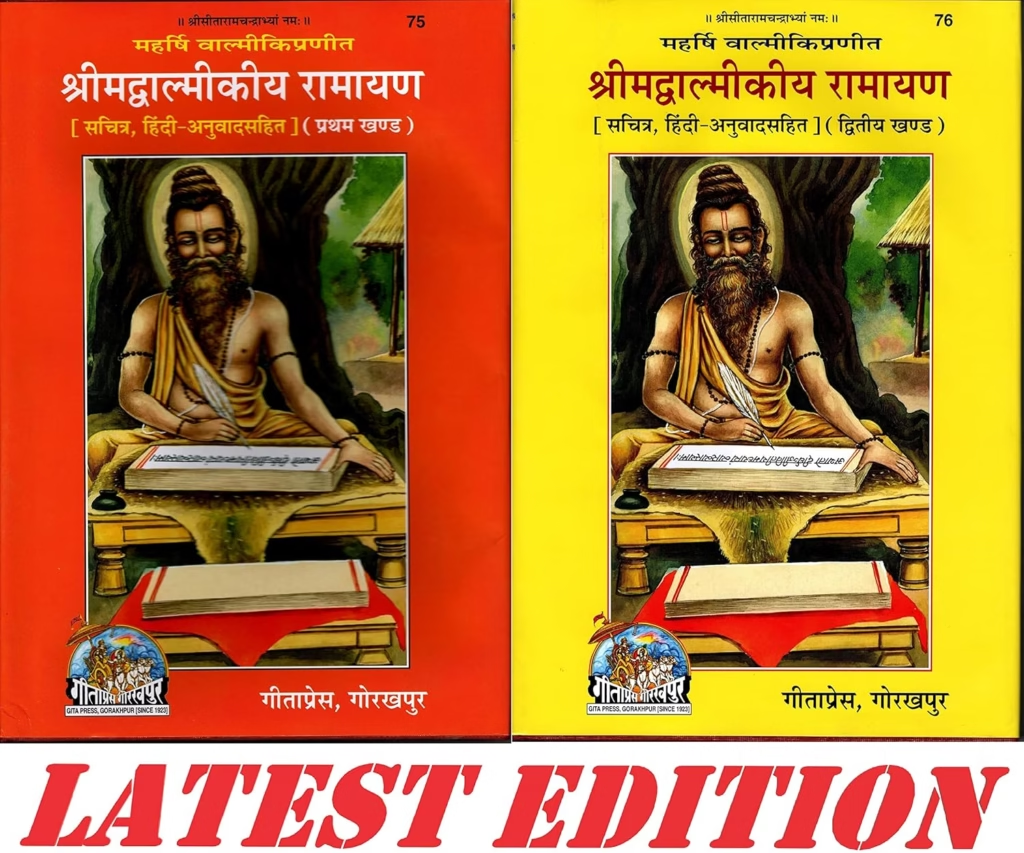
Valmiki Ramayana: Shambuka Episode Exposed Casteism
The Controversial Shambuka Killing Narrative in Valmiki’s Ramayana Introduction The narrative of Shambuka’s killing in Valmiki’s Ramayana, particularly within the Uttara Kanda, has ignited centuries of debate. Many interpret this episode as a stark depiction of injustice and discrimination against the Shudra community, allegedly orchestrated by Lord Rama under…
Caste and Labour: India’s Marginalized Workers
Caste and Labour: Why India’s Workers Remain Marginalized As India celebrates Labour Day, a stark reality confronts the nation’s millions of workers. Despite constitutional guarantees and the foundational work laid by Dr. B.R. Ambedkar, the conditions of labourers and the working class remain dire. This article delves into the…

Truth About IIT IIM Dropout Rates: Beyond Headlines
Introduction: The Hidden Story Behind Dropout Rates Recent headlines scream about “13,000+ SC/ST/OBC students dropping out of IITs/IIMs,” weaponizing data to attack India’s reservation policy. But what if the truth about IIT IIM dropout rates isn’t about “merit” at all? What if the real story is about systemic exclusion, media sensationalism, and a…
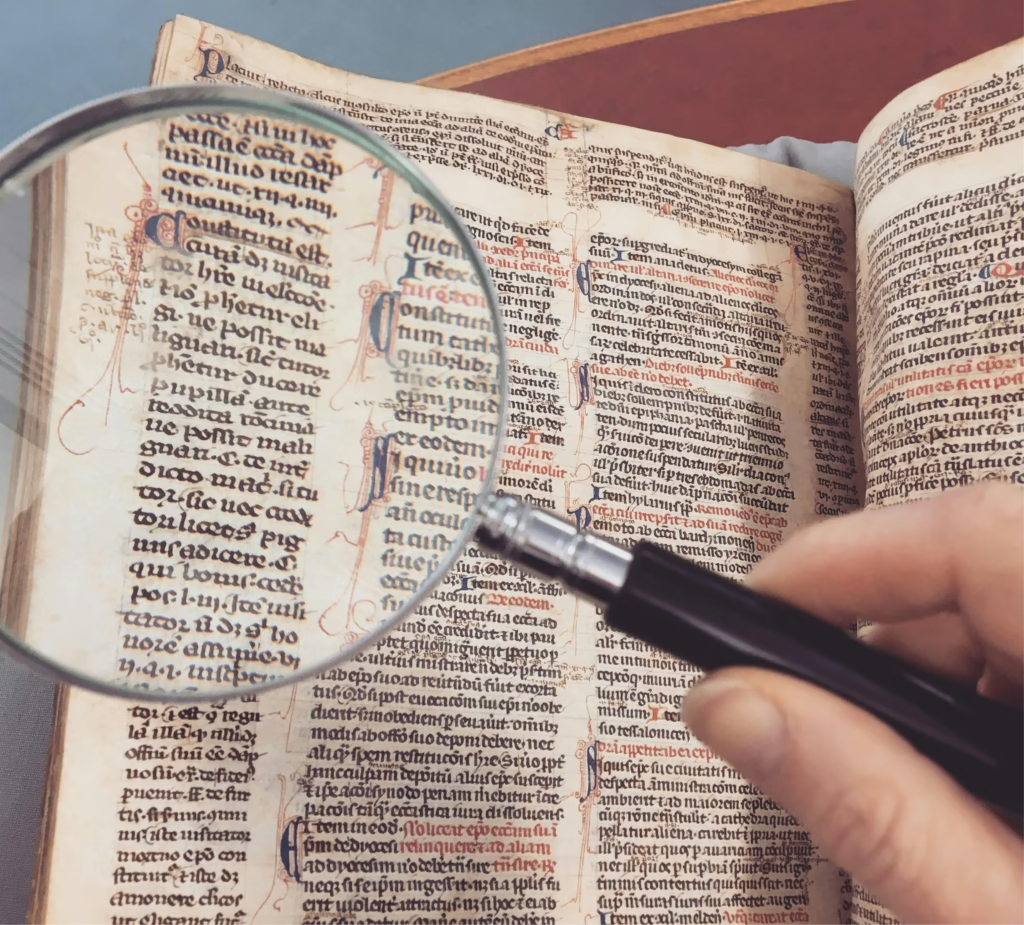
Unveiling History of Science: The Origins of Knowledge
Unveiling History of Science: The Origins of Knowledge Explore the fascinating journey of how humanity has sought to understand the universe and our place within it. From ancient myths and early numerical systems to the birth of geometry and the dawn of scientific reasoning, discover the key milestones that…
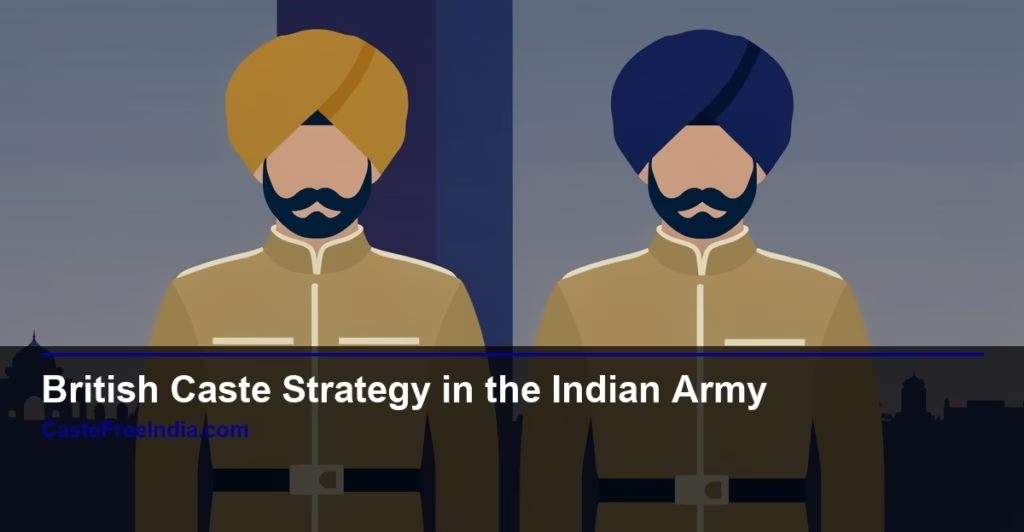
British Caste Strategy in the Indian Army
British Caste Strategy in the Indian Army The history of the Indian freedom struggle is often told through grand narratives of political movements and national leaders. However, a crucial dimension consistently overlooked is the role of caste. The British colonial administration, in its quest to maintain power, masterfully employed…
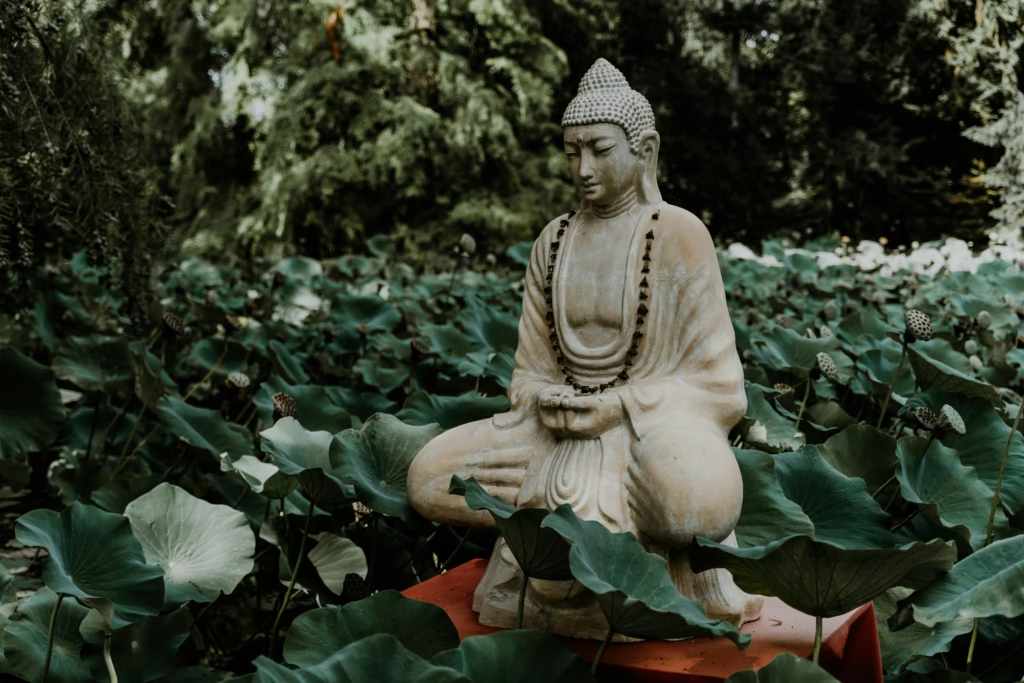
Unearthing Orissa’s Budhist Past: Evidence and Impact
Orissa, a state on the eastern coast of India, is often associated with its vibrant Hindu culture, particularly the Jagannath Temple in Puri. However, beneath the surface of popular narratives lies a rich and largely obscured Orissa’s Buddhist history. This article delves into the historical evidence suggesting that Orissa…

Instagram Reels: A Casteist Stronghold? Unveiling Digital Discrimination
Introduction In today’s digital age, social media platforms like Instagram and Instagram Reels have become deeply ingrained in our daily lives. Are social media platforms truly democratic spaces, or are they digital echo chambers that amplify existing inequalities? While offering avenues for connection and expression, these platforms also inadvertently…

Why This Matters?
Truth thrives in debate, not silence.
India’s social history is filled with misrepresented narratives that have justified caste oppression. We challenge these narratives through scientific evidence, archaeology, and rational inquiry. Join us in building a future where reason, not caste, shapes identity.
Social Unity & Collective Progress
A caste-free society fosters unity by breaking down artificial barriers of hierarchy. When individuals are judged by their abilities, not their birth, communities can collaborate effectively, driving collective progress. Imagine a world where every child, regardless of caste, has equal access to education, healthcare, and opportunities. This is the foundation of a truly democratic and just society.
Economic Empowerment & Innovation
Casteism perpetuates economic inequality by restricting access to resources and opportunities for marginalized communities. A caste-free society unlocks the potential of millions, enabling them to contribute to the economy and innovate without fear of discrimination. From Dalit entrepreneurs to Bahujan scientists, the end of caste means a stronger, more inclusive economy.
Mental Liberation & Human Dignity
Casteism dehumanizes both the oppressed and the oppressor. A caste-free society restores human dignity by erasing the stigma of ‘untouchability’ and the guilt of privilege. It allows individuals to define themselves by their actions, not their caste, fostering mental liberation and self-respect for all.